
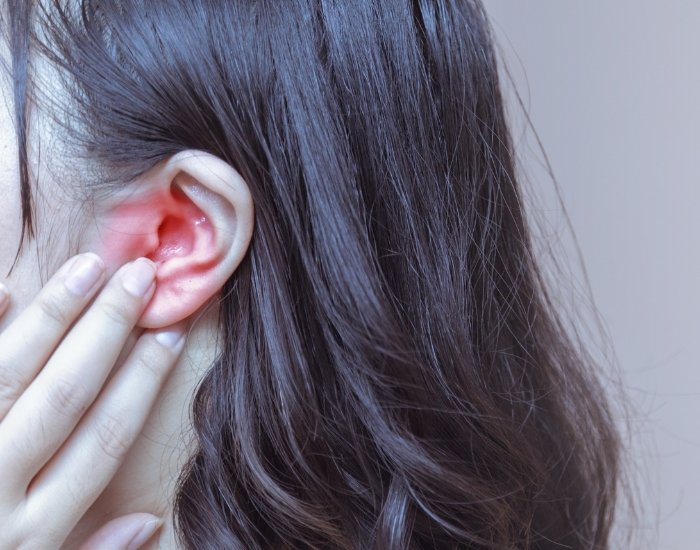
Ear pain is a common complaint that can arise from many different causes, from infections and sinus issues to dental problems. One source that’s often overlooked is dysfunction in the temporomandibular joint (TMJ), the joint that connects your jaw to your skull. Many people wonder, can TMJ cause ear pain?, and the answer is yes — but understanding why requires a closer look at how the jaw and ear structures are connected. In this guide, we’ll walk through the mechanisms behind TMJ‑related ear pain, common symptoms, diagnosis, treatment options, and when to seek professional help.
Table of Contents
- What Is TMJ and How It Relates to Ear Pain
- Why TMJ Can Cause Ear Pain
- Symptoms Commonly Seen With TMJ‑Related Ear Pain
- Diagnosing TMJ‑Linked Ear Pain
- Treatment Options for TMJ Ear Discomfort
- Lifestyle & Home Care Strategies
- When to Consult a Specialist
- FAQs
- Final Thoughts
1. What Is TMJ and How It Relates to Ear Pain
The temporomandibular joint plays a central role in jaw movement and daily activities like chewing, speaking, and yawning. Because of the close anatomical relationship between the TMJ and the ear canal, nerves, and muscles in the region, irritation or dysfunction of the joint can refer pain into the ear. When the joint or surrounding muscles become tense, inflamed, or structurally compromised, nearby sensory nerves can be affected, leading to discomfort that is felt in or around the ear.
TMJ disorders cover a wide range of issues, collectively known as TMJ Dysfunction. These conditions can manifest as jaw pain, limited jaw movement, and sounds like clicking or popping. While not all TMJ dysfunction leads to ear pain, it is a recognized symptom and can be particularly confusing because the pain is perceived in the ear without an actual middle ear problem.
2. Why TMJ Can Cause Ear Pain
So, can TMJ cause ear pain? — the answer involves understanding how interconnected the jaw and ear are. The temporomandibular joint sits just in front of the ear canal, and many nerves that supply the jaw also communicate sensory information from the ear region. When the joint becomes inflamed or the muscles around it tense up, this irritation can be transmitted along shared nerve pathways, particularly the trigeminal nerve, which carries sensation from the jaw and parts of the ear.
In addition, muscle tension from chronic jaw clenching or grinding pulls on areas close to the ear, potentially leading to sensations that mimic ear pain or fullness. Because these symptoms don’t originate from the ear itself, they often don’t respond to typical ear pain treatments like antibiotics or ear drops. Instead, the true source is the TMJ and surrounding musculature.
3. Symptoms Commonly Seen With TMJ‑Related Ear Pain
TMJ‑linked ear pain may present in a variety of ways. Patients often describe a dull ache inside the ear, sharp intermittent pain, or pressure that feels similar to an ear infection. Unlike infections, symptoms often worsen with jaw movement or chewing and improve when the jaw is rested.
In addition to ear pain, individuals with TMJ disorders may experience other concurrent symptoms. These include facial soreness, headaches, and limited jaw mobility. Some people notice a clicking or popping sound when opening or closing the mouth, while others might experience discomfort on one side of the jaw. In these cases, patients may report TMJ Pain on One Side or sensations consistent with TMJ Nerve Damage Symptoms, such as tingling or radiating discomfort.
TMJ disorders often involve a combination of joint and muscle symptoms, so ear pain rarely appears in isolation. Recognizing accompanying signs — like jaw stiffness, headaches, or pressure changes — can help differentiate TMJ‑related ear pain from other causes.
4. Diagnosing TMJ‑Linked Ear Pain
Because ear pain can arise from multiple causes, an accurate diagnosis is essential. A healthcare provider will typically begin with a detailed medical history and physical examination. They will ask about the onset of symptoms, ear pain characteristics, and any associated jaw discomfort or movement limitations.
Examination may include palpation of the TMJ and surrounding muscles to assess tenderness, range of motion tests for the jaw, and listening for any clicking or popping during movement. Because TMJ disorders can mimic other conditions, additional tests may be employed to rule out ear infections, sinus issues, dental problems, or neuralgias.
In some cases, imaging studies such as X‑rays, MRI, or CT scans may be used to evaluate joint structures, disc position, and surrounding tissues. A comprehensive evaluation ensures that appropriate treatments are targeted at the true source of discomfort.
A careful assessment of symptoms can also consider broader patterns of discomfort seen in tmj symptoms, helping patients and providers understand how the jaw and ear complaints fit together.
5. Treatment Options for TMJ Ear Discomfort
Effective treatment for TMJ‑related ear pain focuses on reducing inflammation, relaxing muscles, and improving joint function. Many treatment plans begin with conservative approaches such as:
- Rest and jaw relaxation: Reducing activities that strain the joint, such as chewing gum or eating hard foods.
- Warm compresses: Applying warmth to the jaw muscles can help ease tension.
- Therapeutic exercises: Gentle movements designed to improve range of motion and reduce muscle tightness. Some individuals also find benefit from therapies like targeted exercises for TMJ to reduce strain and improve overall jaw mechanics.
- Medication: Over‑the‑counter anti‑inflammatory drugs or muscle relaxants may be recommended short‑term to reduce pain and swelling.
For individuals with persistent muscle overactivity, treatments such as Botox injections may be considered. TMJ Botox before and after results have shown that relaxing hyperactive jaw muscles can indirectly reduce referred pain into the ear in some patients. These injections help decrease muscle tension, which can lower stress on the TMJ and alleviate secondary symptoms like ear discomfort.
In more complex or severe cases, dental splints or night guards can help redistribute bite forces and protect the joint during sleep if grinding or clenching contributes to symptoms.
6. Lifestyle & Home Care Strategies
Along with professional treatments, lifestyle adjustments can significantly help manage TMJ‑related ear pain. Stress often leads to subconscious jaw clenching, so incorporating relaxation techniques like meditation, mindful breathing, or gentle stretching can reduce muscle tension around the jaw and ear regions.
Posture also plays an important role because poor neck or head alignment can increase strain on the TMJ and associated muscles. Maintaining ergonomic posture, especially during computer or phone use, supports overall jaw function.
Additionally, avoiding excessive jaw activities such as prolonged gum chewing or biting into hard foods further reduces irritation. Practicing good sleep habits, such as maintaining a relaxed jaw position, can help prevent nighttime jaw clenching that contributes to persistent discomfort.
These home care strategies complement formal treatment plans and help reduce the frequency and intensity of ear pain over time.
7. When to Consult a Specialist
Seek professional evaluation if ear pain persists for more than a few weeks, is accompanied by significant jaw discomfort, or does not improve with rest and home care. You should also consult a specialist if symptoms interfere with daily activities, listening, eating, or sleeping. Persistent or worsening discomfort, changes in jaw movement, or the development of additional symptoms should prompt evaluation by a TMJ specialist or healthcare provider experienced in jaw disorders. An early assessment helps ensure that other causes of ear pain are ruled out and that interventions target the appropriate structures. A tailored plan based on a thorough evaluation increases the likelihood of resolving discomfort and preventing long‑term complications.
8. 5 Short Answer FAQs
Q1: Can TMJ really cause ear pain?
A: Yes, dysfunction in the TMJ can refer pain into the ear due to shared nerves and muscle connections.
Q2: Is TMJ‑related ear pain constant or intermittent?
A: TMJ ear pain can be either; it often worsens with jaw movement or strain and improves with rest.
Q3: Will TMJ ear pain go away on its own?
A: Mild cases may improve with lifestyle changes and home care, but persistent pain should be evaluated.
Q4: What home strategies help reduce TMJ ear pain?
A: Relaxation techniques, jaw rest, proper posture, and avoiding excessive chewing help reduce strain.
Q5: When should I see a doctor for TMJ ear pain?
A: See a healthcare provider if pain is persistent, worsening, or impacting your quality of life.
9. Final Thoughts
So, can TMJ cause ear pain? — the answer is yes. Because of the anatomical and neurological connections between the jaw and ear structures, TMJ dysfunction can produce pain that feels like an ear problem even when the ear itself is healthy. Understanding this relationship is crucial for accurate diagnosis and effective treatment. With the right combination of professional care and lifestyle strategies, most people can find meaningful relief.
If you’re experiencing persistent ear discomfort and suspect your jaw may be involved, contact Relief TMJ for a comprehensive evaluation and personalized treatment plan. Their experienced team can help identify the source of your pain and guide you toward lasting relief.
Medical Disclaimer: This blog is for informational purposes only and does not replace professional medical advice, diagnosis, or treatment. Always consult a qualified healthcare provider with questions about your health or treatment options.