
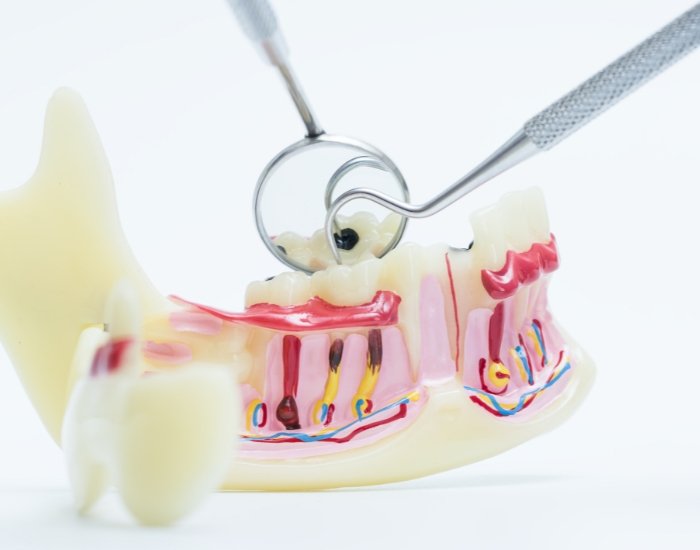
Temporomandibular joint (TMJ) conditions are common, but when nerve involvement develops, symptoms can become confusing and distressing. TMJ nerve damage symptoms can affect your jaw, face, ear, and even your ability to eat or speak comfortably. Knowing the signs early helps you find the right care and prevent long-term issues. This article walks you through what TMJ nerve symptoms look like, why they happen, how they’re diagnosed, and the best approaches for relief and recovery.
Table of Contents
- What Are TMJ Nerve Damage Symptoms?
- How the TMJ and Nerves Are Connected
- Common Causes of TMJ-Related Nerve Symptoms
- Typical and Less Common Symptoms Explained
- Diagnosing TMJ Nerve Involvement
- Treatment Options for TMJ Nerve Symptoms
- Lifestyle & Home Care for Symptom Relief
- When to Seek Professional Help
- FAQs
- Final Thoughts
1. What Are TMJ Nerve Damage Symptoms?
TMJ nerve damage symptoms refer to discomfort or altered sensations that arise when the nerves around the temporomandibular joint are irritated, compressed, or affected by underlying joint dysfunction. The TMJ connects your jaw to your skull and is surrounded by multiple sensory nerves that help control movement, touch, and pain perception. When this system is disrupted by inflammation, mechanical stress, or injury, symptoms may appear that feel unusual or concerning. In cases where muscle tension plays a major role, some patients explore options such as TMJ Botox before and after outcomes to better understand how targeted muscle relaxation may influence nerve-related discomfort.
Unlike simple muscle soreness, nerve-related symptoms often involve tingling, numbness, sharp electric-like pain, or altered sensation that does not resolve easily with rest alone. These sensations may extend beyond the jaw and affect the cheek, teeth, ear, temple, or neck, depending on which nerve pathways are involved.
2. How the TMJ and Nerves Are Connected
The TMJ is a highly complex joint that works in coordination with muscles, ligaments, and nerves to allow smooth jaw movement. Several cranial nerves, particularly branches of the trigeminal nerve, run close to the joint and provide sensation to the face, teeth, and jaw. Because of this close anatomical relationship, dysfunction in the TMJ can directly affect nerve signaling and lead to pain or sensory changes.
When the joint becomes inflamed, misaligned, or injured, mechanical pressure and inflammatory chemicals may irritate nearby nerves. Over time, this irritation can result in persistent symptoms. Conservative approaches, including guided exercises for TMJ, are often used to improve joint mobility, reduce muscle tension, and minimize nerve irritation before more advanced treatments are considered.
3. Common Causes of TMJ-Related Nerve Symptoms
There is not always a single trigger for TMJ-related nerve symptoms, but several factors commonly contribute. Chronic jaw clenching or teeth grinding, also known as bruxism, places repetitive stress on the TMJ and surrounding tissues. This ongoing tension can lead to inflammation that irritates nearby nerves. Trauma to the face or jaw — whether from an accident, sports injury, or dental procedure — can also disrupt nerve pathways around the joint.
Inflammatory conditions such as arthritis may cause persistent swelling within the TMJ, gradually affecting nerve health. Additionally, poor bite alignment or joint misalignment can create uneven pressure that leads to localized nerve compression. Understanding how TMJ is treated helps patients recognize why addressing both joint mechanics and nerve involvement is essential for long-term relief. While not all of these causes result in permanent nerve damage, prolonged irritation can produce symptoms that require professional evaluation.
4. Typical and Less Common Symptoms Explained
Symptoms of nerve involvement in the TMJ region can vary widely depending on which nerves are affected and how severely. Patients with TMJ nerve damage symptoms may describe:
- Sharp, electric-like jolts of pain: Unlike dull muscle pain, nerve pain often feels sudden, shooting, or stabbing. It may occur spontaneously or in response to jaw movement.
- Tingling or pins-and-needles: This sensation suggests altered nerve signaling and may extend into the cheek, teeth, or lips.
- Numbness or reduced sensation: Some people notice areas that feel “dead” or less sensitive, especially around the jaw, lower face, or ear.
- Radiating pain: Nerve pain does not stay neatly in one spot — it may spread along the path of the affected nerve. For example, pain may begin at the jaw and travel toward the ear or temple.
- Hypersensitivity: You might become unusually sensitive to touch or temperature changes on one side of the face.
Less common symptoms include headaches that start near the temple and spread across the head, ear fullness or discomfort (without hearing loss), and even difficulty chewing due to pain flares triggered during jaw movement.
Because nerve symptoms overlap with other conditions such as sinus issues, dental pain, or ear disorders, distinguishing them requires careful assessment.
5. Diagnosing TMJ Nerve Involvement
Diagnosis begins with a thorough clinical evaluation. Your healthcare provider or dentist will ask detailed questions about your symptoms, their onset, and what makes them better or worse. They will observe your jaw movement, listen for clicking or popping sounds, and palpate the joint and surrounding muscles for tenderness. Because TMJ-related nerve symptoms can radiate beyond the jaw, patients are often evaluated for associated concerns, leading many to ask can TMJ cause headaches when facial or temple pain is present.
Imaging studies are often part of the diagnostic process. X-rays help evaluate bone structure, while advanced imaging such as MRI or CT scans provide detailed views of the joint space, soft tissues, discs, and nerve pathways. In select cases, electromyography (EMG) or nerve conduction studies may be used to assess nerve function more directly.
Since nerve-related jaw pain can resemble other conditions, ruling out dental abscesses, sinus disease, ear infections, and neuralgias is an essential step. This is particularly important for patients experiencing ear-related discomfort, which raises the common question of can TMJ cause ear pain during the diagnostic process.
6. Treatment Options for TMJ Nerve Symptoms
Treatment depends on symptom severity and the underlying cause. Mild nerve irritation often responds well to conservative care.
First-line approaches include conservative therapies such as warm compresses and gentle jaw exercises aimed at reducing tension and improving joint mobility. Anti-inflammatory medications or short courses of muscle relaxants may be recommended to reduce swelling and nerve irritation.
If bruxism is a contributing factor, a custom-fitted night guard can redistribute bite forces and protect the joint and nerves during sleep. Physical therapy may include manual techniques and exercises designed to normalize movement patterns and improve posture.
In more persistent or severe cases, treatments such as corticosteroid injections into the TMJ can reduce inflammation and ease nerve irritation. Some patients benefit from neuromodulating medications that specifically target nerve pain. In complex cases with structural abnormalities or entrapment, consultation with a specialist may be necessary.
It’s important to note that treatment is individualized. What works well for one person may not be ideal for another, which is why professional assessment and a comprehensive plan are essential.
7. Lifestyle & Home Care for Symptom Relief
Lifestyle habits play a significant role in managing TMJ nerve damage symptoms. Reducing jaw tension throughout the day can help nerve-related symptoms improve more quickly. This means avoiding hard or chewy foods for extended periods, limiting gum chewing, and learning to rest your jaw so that your teeth are slightly apart when not eating or speaking.
Stress management is another key component. Techniques such as diaphragmatic breathing, meditation, and progressive muscle relaxation can reduce subconscious clenching that contributes to joint irritation.
Posture matters too. Forward head posture, commonly seen with long hours at computers or phones, increases tension in the jaw and neck muscles. Maintaining a neutral head position can relieve this strain and help improve nerve symptoms over time.
Last, staying consistent with any prescribed exercises or splint use helps reinforce changes and supports long-term relief.
8. When to Seek Professional Help
You should contact a qualified TMJ specialist or dental professional if:
- Pain or altered sensations persist beyond a few weeks despite self-care.
- Symptoms interfere with eating, speaking, or sleep.
- You notice progressive numbness or increasing sensitivity.
- There is visible swelling, jaw locking, or severe clicking that affects movement.
Early evaluation improves your chance of identifying the exact cause of nerve involvement and tailoring an effective treatment plan that prevents symptom escalation.
9. FAQs
Q1. What are the early signs of TMJ nerve damage?
Early signs often include tingling, numbness, sharp or electric-like pain near the jaw, cheek, or ear, especially with chewing or movement.
Q2. Can TMJ nerve symptoms go away on their own?
Mild nerve irritation may improve with rest, stress management, and jaw-focused care, but persistent symptoms benefit from professional evaluation.
Q3. How is nerve involvement in TMJ diagnosed?
Providers use clinical examination and imaging like MRI or CT, and sometimes nerve conduction testing to evaluate nerve health and rule out other conditions.
Q4. Can stress cause TMJ nerve pain?
Yes — chronic tension and clenching linked to stress can irritate nerves around the TMJ over time.
Q5. When should I see a doctor for TMJ nerve symptoms?
See a doctor if symptoms persist beyond several weeks, worsen, or interfere with daily activities like eating or speaking.
10. Final Thoughts
Recognizing TMJ nerve damage symptoms early is a crucial step toward effective treatment and lasting relief. Because nerve-related symptoms often overlap with other conditions, professional assessment ensures you get the right diagnosis and personalized care. With thoughtful lifestyle changes, targeted therapies, and support from experienced providers, improvement is attainable — and you don’t have to struggle through the pain alone.
If TMJ nerve damage symptoms are affecting your quality of life, reach out to Relief TMJ for expert evaluation and individualized care. Their team can help you understand your symptoms and find a path toward long-term comfort and jaw health.
Medical Disclaimer: This blog is for informational purposes only and does not replace professional medical advice, diagnosis, or treatment. Always consult a qualified healthcare provider with questions about your health or before starting any new treatment.