
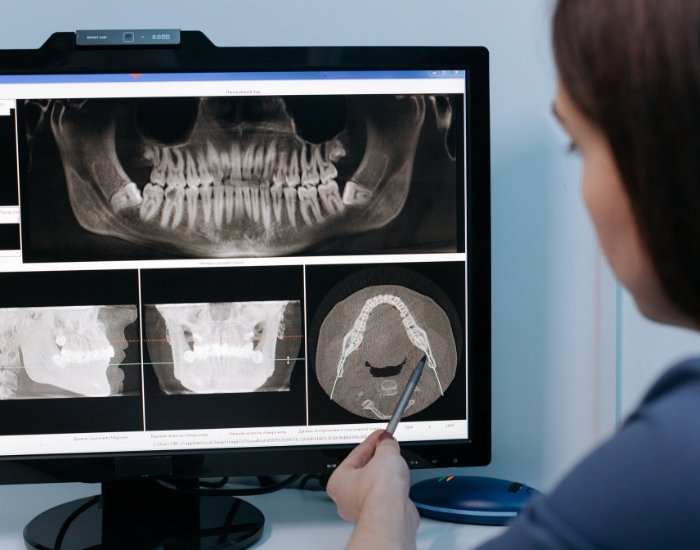
Temporomandibular joint dysfunction — often called TMJ dysfunction — describes a group of conditions that affect the joint connecting your jaw to your skull. This joint is used every day when you talk, chew, yawn, or laugh, and when it doesn’t work smoothly, a wide range of uncomfortable symptoms can arise. Many people don’t realize how interconnected the jaw is with other parts of the head and neck, which is why TMJ issues can lead to headaches, ear pain, muscle tension, and even dizziness. In this article, we’ll explain what TMJ dysfunction is, how to recognize it, and the most effective ways to find lasting relief.
Table of Contents
- What Is TMJ Dysfunction?
- Common Causes of TMJ Dysfunction
- How TMJ Dysfunction Affects the Body
- Typical Symptoms to Watch For
- Diagnosing TMJ Dysfunction
- Treatment and Relief Options
- Lifestyle & Home Strategies
- When to Seek Professional Help
- 5 Short Answer FAQs
- Final Thoughts
1. What Is TMJ Dysfunction?
The temporomandibular joint (TMJ) is a sliding hinge joint that connects your lower jaw (mandible) to the temporal bone of your skull, just in front of your ears. TMJ dysfunction occurs when this joint or the muscles and ligaments surrounding it become irritated, inflamed, or imbalanced. The result can be pain, restricted movement, or abnormal sounds (like clicking or popping) when you move your jaw.
TMJ dysfunction is not a single disease, but rather a term that covers various jaw problems — including muscle tension, disc displacement, joint inflammation, or structural issues. Because the jaw works with muscles and nerves that extend to the head, neck, and shoulders, dysfunction here often affects more than just the jaw.
2. Common Causes of TMJ Dysfunction
TMJ dysfunction can arise from multiple interrelated factors. Muscle overuse or strain is common in individuals who frequently chew gum, eat hard or chewy foods, or grind their teeth at night — a condition known as bruxism. This repetitive strain can fatigue the jaw muscles and irritate the joint. Structural issues, such as joint or disc displacement, can also contribute; when the soft disc between the jaw and skull shifts out of place, it can create uneven movement, pain, and clicking sounds. Stress and tension often exacerbate the problem, as clenching the jaw during periods of anxiety places additional pressure on the TMJ. Previous injuries to the jaw or face and inflammatory conditions like arthritis can further compromise joint function. Often, several of these factors overlap, making TMJ dysfunction a complex condition that requires careful evaluation.
3. How TMJ Dysfunction Affects the Body
TMJ dysfunction doesn’t just affect the jaw — its impact can ripple outward because the jaw muscles connect closely with muscles and nerves in the head and neck. This is why many people with TMJ dysfunction also experience:
- Headaches and tension
- Ear discomfort or pressure
- Facial muscle fatigue
- Neck or shoulder tension
Some of this overlap makes sense when you learn that the trigeminal nerve — one of the largest nerves in the head — carries sensation from both the jaw and parts of the face. When structures around the TMJ are irritated or inflamed, this nerve can be stimulated in ways that produce symptoms resembling other conditions.
For example, people often ask can TMJ cause headaches or can TMJ cause ear pain because their symptoms feel like primary headache or ear conditions when, in fact, the jaw dysfunction is the root cause.
4. Typical Symptoms to Watch For
TMJ dysfunction can vary from person to person, but common symptoms include:
- Jaw pain or aching, especially when chewing
- Clicking, popping, or grinding sounds when opening or closing the mouth
- Limited jaw movement or locking of the jaw
- Discomfort on one or both sides of the face
- Headaches, especially at the temples
- Ear fullness, ringing, or pain
- Neck and shoulder tension
Some people with TMJ dysfunction may notice pain on only one side, often linked to muscle imbalance or asymmetrical joint pressures. Others may develop symptoms classified as TMJ Nerve Damage Symptoms, such as tingling or radiating pain when nerve irritation is more pronounced.
Symptoms can come and go, sometimes worsening with stress, fatigue, or activities that heavily use the jaw.
5. Diagnosing TMJ Dysfunction
Managing TMJ dysfunction usually begins with conservative, non-invasive approaches. Simple strategies like resting the jaw, avoiding hard foods, and practicing gentle stretches can reduce muscle tension and alleviate discomfort. Structured exercises for TMJ help improve jaw mobility, strengthen supporting muscles, and reduce strain, complementing other treatments. Custom oral appliances, such as night guards, can protect teeth from grinding and relieve joint pressure. In cases of significant muscle overactivity, targeted interventions like TMJ Botox before and after can relax tense muscles, reduce clenching, and improve overall comfort. Medications, including anti-inflammatory drugs or muscle relaxants, may provide temporary relief, while physical therapy can help restore proper function and alignment. A comprehensive plan combining these approaches — tailored to the patient’s symptoms — is often the most effective path to long-term relief.
6. Treatment and Relief Options
When you’re wondering how to relieve TMJ dysfunction, the good news is that many effective options exist — and most start with conservative, non‑invasive care.
Jaw Relaxation and Self‑Care: At the earliest stages, simple techniques like resting the jaw, avoiding hard foods, and practicing gentle stretches can ease muscle tension.
Therapeutic Exercises: Structured movements designed to improve jaw mobility and reduce muscle strain are central to many treatment plans. Many patients find long‑term benefit from exercises for TMJ that strengthen and stretch the right muscles while improving coordination.
Oral Appliances: Custom‑fitted night guards can protect teeth from grinding and help reduce pressure on the TMJ, especially during sleep.
Medications: For short‑term relief, anti‑inflammatory medications or muscle relaxants may be used under a provider’s guidance.
Botox and Targeted Injections: In appropriate cases, injections like TMJ Botox before and after can relax overactive muscles, reduce clenching, and improve comfort for those with significant muscle tension.
Comprehensive care often incorporates multiple modalities, tailored to your individual symptoms and goals. That’s why understanding how TMJ is treated helps patients make informed decisions.
7. Lifestyle & Home Strategies
Alongside professional treatments, lifestyle adjustments can significantly improve outcomes for TMJ dysfunction. Managing stress is critical, as tension often leads to jaw clenching or teeth grinding, which worsens discomfort. Practicing mindfulness, meditation, or deep-breathing exercises can help reduce muscle strain. Maintaining proper posture, especially when working at a desk or using a phone, prevents additional stress on the jaw and neck muscles. Avoiding hard or chewy foods, limiting gum chewing, and incorporating periods of jaw rest throughout the day also support joint health. Additionally, practicing good sleep habits, such as keeping the teeth slightly apart, can minimize nocturnal clenching. These daily habits complement therapeutic exercises and help prevent flare-ups over time.
8. When to Seek Professional Help
It’s important to consult a healthcare provider or TMJ specialist if symptoms persist or interfere with daily life. Seek evaluation when pain or dysfunction continues despite home care and exercises, or if jaw locking, severe clicking, or restricted movement occurs. Frequent headaches, ear pain, or discomfort that doesn’t improve with self-care should also prompt a professional assessment. Early evaluation ensures that your condition is properly diagnosed and that treatments are tailored to your specific needs. Prompt intervention can reduce the risk of chronic pain, prevent further joint damage, and improve long-term jaw function.
9. 5 Short Answer FAQs
Q1: What is the most common symptom of TMJ dysfunction?
A: Jaw pain and limited jaw movement are among the most frequent early signs.
Q2: Can TMJ dysfunction cause headaches?
A: Yes, many patients ask “can TMJ cause headaches?” because muscle tension around the jaw can radiate to the temples and head.
Q3: Is TMJ dysfunction reversible?
A: Many cases improve or resolve with proper care, including exercises, lifestyle changes, and targeted therapies.
Q4: Do all TMJ dysfunction patients need surgery?
A: No, surgery is rarely required and typically considered only when conservative care is ineffective.
Q5: Does posture affect TMJ dysfunction?
A: Yes, poor posture — especially forward head posture — increases strain on the jaw and neck muscles, contributing to symptoms.
10. Final Thoughts
TMJ dysfunction can affect many aspects of comfort and daily life, from chewing and talking to headaches and ear discomfort. Because the jaw is connected to muscles and nerves throughout the head and neck, symptoms may appear in unexpected ways. With a comprehensive approach — including exercises, lifestyle adjustments, and appropriate treatments based on your needs — most people find meaningful relief and improved function.
If you’re living with pain, stiffness, or dysfunction in your jaw, reach out to Relief TMJ for a personalized evaluation and treatment plan. Their team can help identify the root of your symptoms and guide you toward lasting comfort.
Disclaimer: This blog is for informational purposes only and does not replace professional medical advice, diagnosis, or treatment. Always consult a qualified healthcare provider before beginning any treatment for your symptoms.